5 Easy Ways to Spot Bad Walls in Your Metro Detroit Home
Imagine your wall as a clean sheet of paper. If you see a line drawn on it, that’s a wall crack! Some tiny, thin lines, like a strand of hair, are called “hairline cracks.” These usually happen when your house settles a little or when the air gets warmer or colder. They might not be a big deal, like a small scratch.
But some wall cracks are like big, deep cuts. These are the ones that tell you your wall might have a bigger problem, maybe even a structural problem.
What to look for:
-
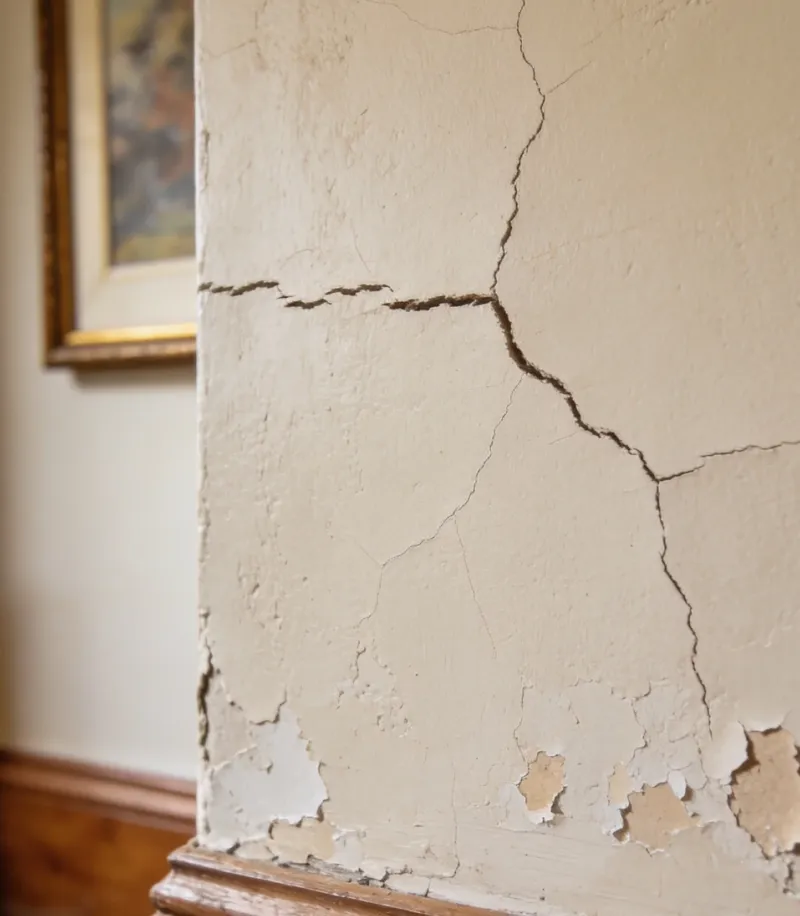
Big cracks: If a crack is wider than a nickel, or if it’s getting bigger over time, that’s a red flag.
-
Cracks in special shapes: Look for cracks that go up and down (vertical), or cracks that look like stairs (diagonal). These can mean your house’s foundation (the strong base it sits on) is shifting.
-
Cracks around doors and windows: If you see cracks starting from the corners of your doors or windows, or if these doors and windows suddenly get hard to open or close, your walls might be moving.
-
Nail pops: These are when little bumps appear on your wall because the nails holding the drywall are pushing out. A few might be normal, but many could mean something is off.
If you see these kinds of wall cracks, it’s like your house is whispering for help. It’s a good idea to have someone who knows about drywall repair Detroit take a look.
2. Check for Wet Spots: Signs of Water Damage in Your Drywall
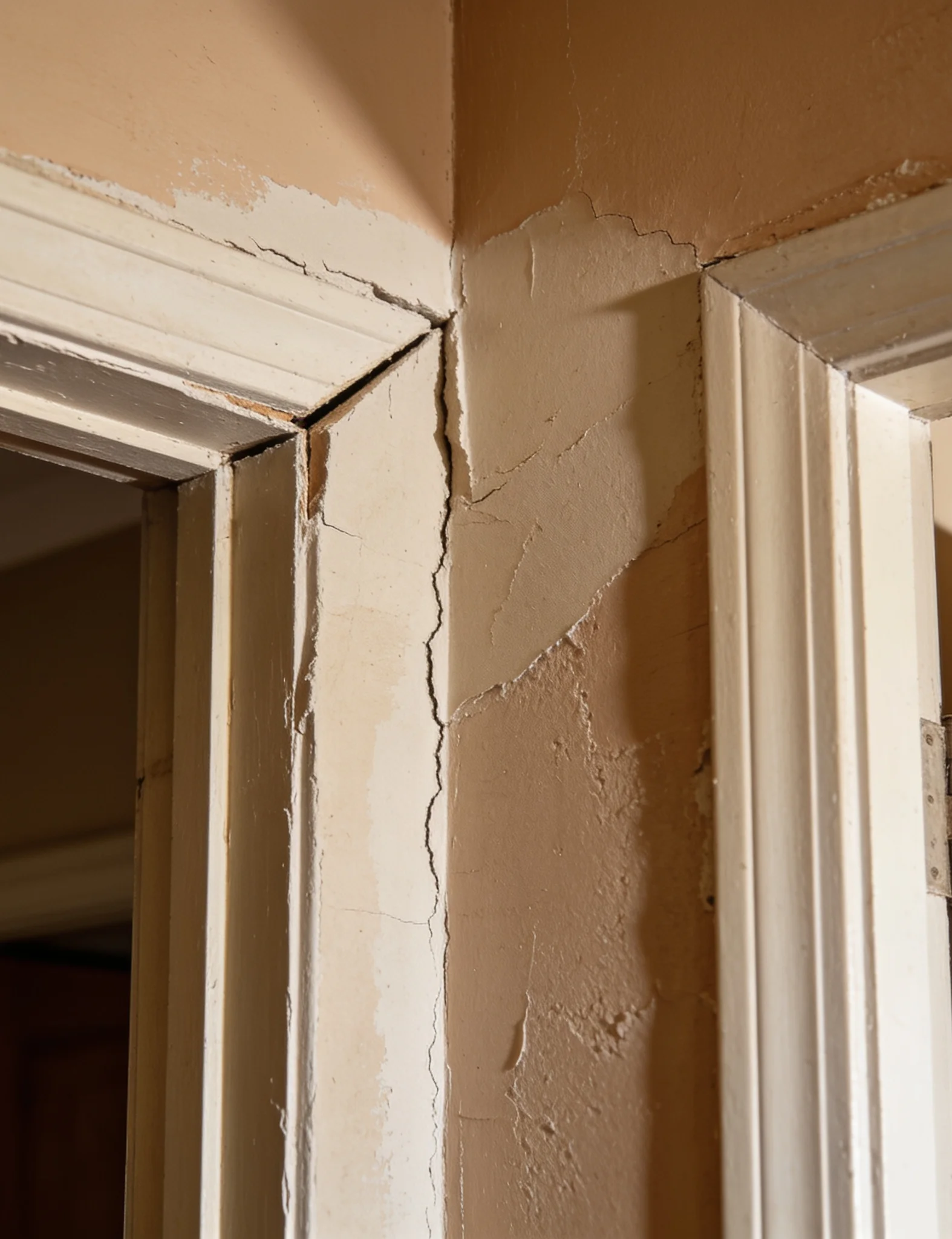
Water damage is like a sneaky monster for your walls. It can happen quietly, sometimes behind your walls where you can’t see it until it’s too late. Water makes drywall weak and can lead to yucky mold that’s bad for your health.
What to look for:
-
Strange spots or colors: See any yellow, brown, or dark spots on your walls or ceiling? These stains usually mean water is leaking nearby. It could be from a leaky pipe inside the wall or even a small problem with your roof.
-
Bubbling or peeling paint: If the paint on your wall looks like it’s getting puffy, is starting to bubble up, or is peeling off, it means water is trying to get out from behind it.
-
A yucky smell: Does your house smell like old socks or wet dirt, especially in certain rooms? This “musty” smell is a big sign of mold growing because of water damage.
-
Soft walls: Gently press on your walls, especially near sinks, showers, or outside walls. If a part feels soft, mushy, or spongy instead of hard, it might be soaking up water.
Water damage can come from many places: a leaky roof, pipes that drip, or even too much moisture in the air. If you spot these signs, it’s super important to find out where the water is coming from and fix it fast to prevent more drywall issues Pontiac homeowners might face.
3. Feel and Listen: What Your Walls Feel and Sound Like
Your eyes are great for spotting problems, but sometimes your hands and ears can help too! Bad walls can feel different and even make sounds that tell you something is wrong.
What to feel for:
-
Soft spots: As we talked about with water damage, if your wall feels soft or squishy when you push on it, that’s not good. It means the drywall has likely gotten wet and is losing its strength.
-
Unevenness: Run your hand across your wall. Does it feel smooth, or do you feel bumps, dips, or places that aren’t flat? Walls should be mostly smooth.
What to listen for:
-
Hollow sounds: Gently tap on your walls in different spots. Does one part sound hollow, like there’s nothing behind it, while other parts sound solid? A hollow sound can sometimes mean drywall is separating or has been damaged by water or pests.
-
Creaks and pops: Your house makes normal sounds as it gets older, but if you start hearing new, loud creaks, groans, or pops coming from a specific wall, especially when people walk around upstairs, it might be a sign of structural problems. It means the wood or other parts of your wall are under stress.
These clues from your senses can help you find hidden problems before they become big, visible bad walls.
4. Watch for Bumps and Bulges: When Walls Aren’t Straight
Walls are supposed to be straight and flat. When they start to bump out or bulge, it’s like a warning sign. These bumps can mean different things, from small drywall issues to very big structural problems.
What to look for:
-
Uneven drywall: Look closely at your walls, especially where two pieces of drywall meet. If you see lines that aren’t smooth, or if the wall seems to dip or swell in certain areas, it could be from a poor drywall installation or something pushing from behind.
-
Bulging walls: This is a more serious sign. If a whole section of your wall looks like it’s pushing outwards, like a bubble, it’s a very big problem. It could mean the wall is losing its ability to hold up the house, possibly due to water damage, foundation issues, or even too much pressure from outside. This needs to be looked at by a professional right away.
-
Saggy ceilings: Sometimes, if your walls are having trouble, the ceiling above can start to sag or dip. This is another sign of serious structural problems.
If you see your walls looking like they’re pregnant or starting to bow, don’t wait! This is a serious signal that your house needs expert help for drywall repair Detroit or to fix other structural problems.

5. Pest Patrol: Keeping an Eye Out for Termite Trouble
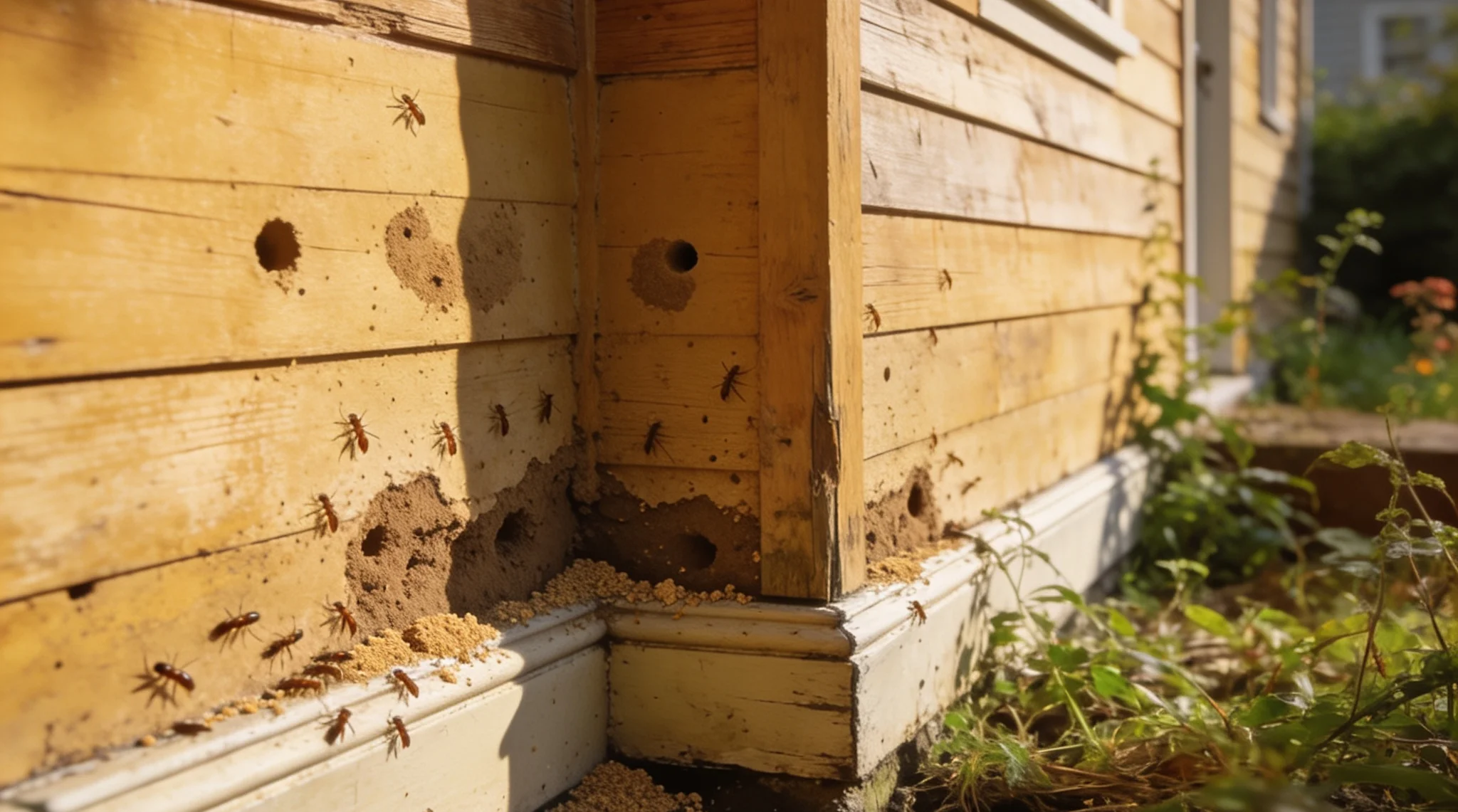
Little bugs called termites love to eat wood, and guess what’s inside many of your walls? Wood! Termite damagecan make your walls weak and cause problems you might not even know are happening.
What to look for:
-
Mud tubes: Termites build tiny tunnels made of mud on your walls or foundation, often near the ground. These tubes are like their secret highways to get into your house and eat the wood. If you see these, it’s a sure sign of a problem.
-
Hollow-sounding wood: Tap on your wooden walls or trim. If it sounds hollow instead of solid, termites might have eaten the wood inside.
-
Small holes or maze-like patterns: Sometimes, you might see tiny holes in your drywall or wood that termites have made. If you peel back wallpaper or paint, you might see tunnels or grooves.
-
Blistering paint: Similar to water damage, termites can make paint blister or bubble because they are eating the wood right under the surface.
-
“Frass” (termite droppings): These look like tiny piles of sawdust or pepper near your walls. This is another sign that termites are busy eating away at your house.
Termite damage can be hard to spot because they hide inside the walls. But if you see any of these clues, it’s super important to call a pest control expert and then a drywall repair Detroit company like ours to fix the damage they left behind. Protecting your home from these tiny destroyers can save you from big structural problems later on.
Don’t Let Bad Walls Get Worse!
Spotting bad walls early is like being a superhero for your home. It can save you from bigger headaches, bigger bills, and keep your family safe. If you live in the Metro Detroit area, especially around Pontiac, and you notice any of these signs of wall cracks, water damage, structural problems, or termite damage, don’t just hope they’ll go away.
The friendly experts at Pontiac Drywall Repair are here to help with all your drywall repair Detroit needs and any drywall issues Pontiac residents might have. We can fix those bad walls and make your home strong and beautiful again.
Give us a call today for a free check-up! Your walls (and your wallet!) will thank you.